


30-day return or refund guarantee.
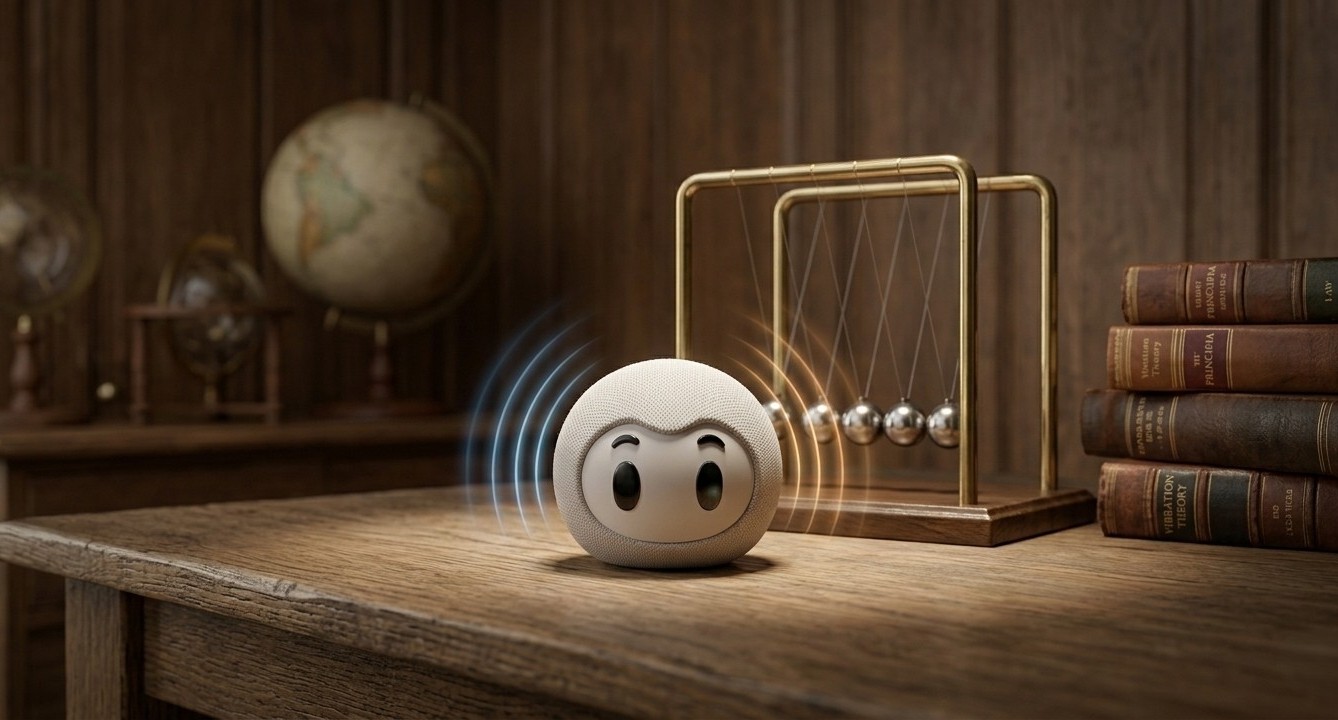
The core of the Zemo project is the transition from digital-only alerts to physical feedback. Our design research indicates that a physical "nudge" from a companion robot is far more effective at breaking the scrolling reflex than a standard phone notification.
By utilising specific haptic patterns (i.e. vibrations, tilts, and shifts in posture), Zemo communicates focus states to the user. This creates a tangible sense of accountability. When Zemo "notices" you are distracted, its physical response serves as a gentle reminder to return to your task, earning you ZOTs for your persistence.
“Physicality is the bridge between digital goals and real-world behavior. Zemo doesn't just track your time; it shares it with you.”
Following our initial prototyping phase, the team observed that users developed a unique sense of "digital accountability" when the robot was present. By transforming abstract screen-time data into physical gestures, we move away from the traditional, often ignored, notification-based system. This shift is essential for creating long-term behavioral changes rather than short-term compliance.
As we continue to refine the haptic engine, our focus remains on ensuring these physical responses feel intuitive and non-intrusive. The goal is a seamless integration into the user's workspace, where Zemo acts as a silent but supportive partner in maintaining focus and reclaiming personal time from digital distractions.

Want to contribute? Contact the Zemo Team to submit an article.

2 Comments
Sam Thompson
17 Feb 2026I’ve been using Buddy for a week now. The physical tilt it does when I pick up my phone is surprisingly effective—it feels like I'm letting a friend down.
ReplyJordan Lee
18 Feb 2026Is there a way to sync ZOTs between my laptop and the robot? I’d love to earn rewards for finishing my design work on time too.
ReplyLeave A Comment